
Plans for a bold new train line through Harlem were announced with great fanfare, promising faster commutes, economic growth, and a symbolic investment in the neighborhood’s future. By early projections, the project had raised an astonishing $300 million from a mix of public funds, private investors, and philanthropic contributions. The timeline was ambitious but clear: trains running by 2029, steel cutting through concrete like a promise kept.
Community meetings were packed in the early years, filled with glossy renderings and confident presentations. Officials spoke of jobs, reduced congestion, and long-overdue infrastructure improvements. Harlem, they said, would become a model for equitable transit development, a case study other cities would follow.
Behind the scenes, however, the project began to slow almost immediately. Deadlines slipped quietly, consultants multiplied, and feasibility studies were revised again and again. Each delay was explained as “due diligence” and each added cost was framed as a necessary refinement. The money, meanwhile, kept moving — allocated, reallocated, and absorbed into layers of administration.
Soon, public updates became infrequent and vague. Press releases spoke in abstractions about “reassessing scope” and “changing transportation priorities.” The once-confident timeline faded into an open-ended future, and questions about the budget were met with carefully worded non-answers.
Then, almost without announcement, the plan was scrapped. No groundbreaking ever happened, no tracks were laid, and the promised trains never materialized. What shocked residents most wasn’t the cancellation itself, but the silence that followed — no clear explanation, no accounting, no apology.
Audits were suggested but never completed, and responsibility dissolved across agencies and committees. The $300 million existed only in documents and memory, transformed into consulting fees, reports, and vanished line items. Rumors filled the gap where transparency should have been, each more unsettling.
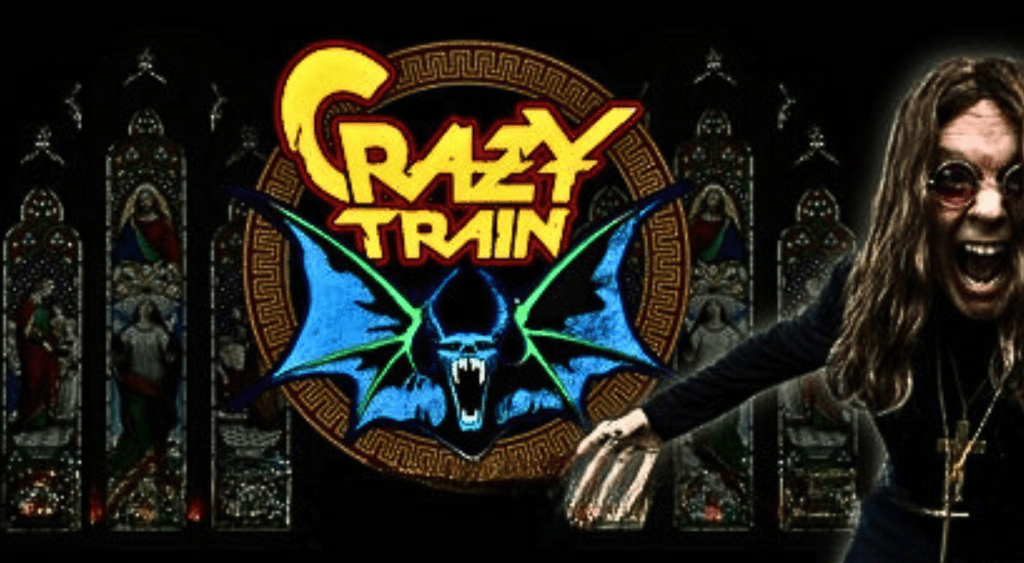
By the end, Harlem was left with nothing tangible except skepticism. The train that was supposed to arrive by 2029 became a cautionary tale instead, or the Ozzy Osbourne song — a reminder that big promises and big money don’t always lead to a train or real change. And somewhere between intention and abandonment, $300 million slipped out of sight, leaving behind only questions and an empty map where tracks were once drawn.
 Harlem Herald
Leave a comment